Bird in Nest: A Designer's Practical Review
As someone who has spent years navigating the delicate balance between artistic vision and machine limitations, I approach every new machine embroidery design with a critical eye. When I first opened the file for Bird in Nest, my immediate goal was to determine if this digital asset could translate into a high-quality finished product that would stand up to the scrutiny of discerning customers. In the world of small business merchandise and handmade goods, the difference between a charming detail and a messy disaster often comes down to stitch density, thread flow, and how well the design interacts with fabric texture.
First Impressions: Mood and Visual Personality
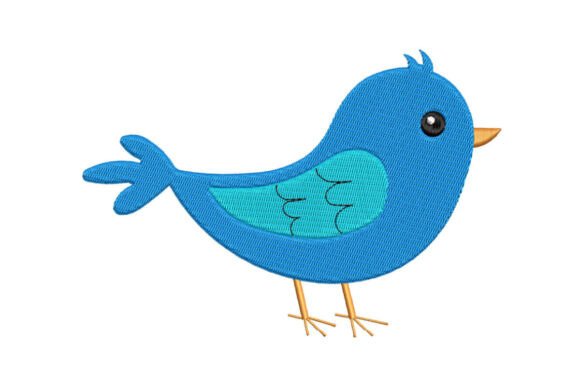
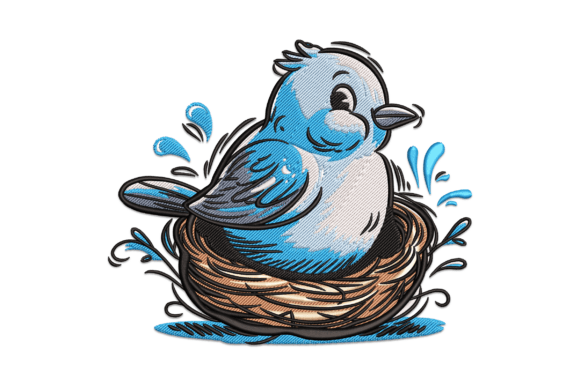
The initial visual impact of Bird in Nest is undeniably warm and inviting. It captures a specific mood of comfort and nature that resonates deeply with current trends in nursery decor and cozy home accents. The layout feels balanced, avoiding the common pitfall of being too top-heavy or asymmetrical in a way that causes hooping issues. For an embroidery project intended to add a fun and quirky flair, the character of the bird and the structure of the nest are rendered with just enough detail to be recognizable without becoming overly intricate. This level of detail is crucial; it suggests that the design will stitch out cleanly on a variety of materials, provided the correct settings are used.
From a design perspective, the silhouette is strong enough to maintain its integrity even when scaled down slightly, which is a significant advantage for creating custom apparel like t-shirts or sweatshirts. However, the charm lies in the subtle curves of the nest and the posture of the bird, elements that rely heavily on smooth satin stitch transitions rather than aggressive fill stitch blocks. This indicates that the thread colors chosen will play a massive role in the final aesthetic. A soft pastel palette might make it perfect for baby embroidery, while earth tones could elevate it into a sophisticated piece for kitchen towels or aprons.
Real-World Application: From File to Finished Product
To truly understand the potential of Bird in Nest, I imagined a real-life scenario: preparing a line of personalized tote bags for a local craft fair. Tote bags are a staple for the Etsy seller and the small shop owner, but they present unique challenges due to their cotton canvas texture and the need for durability. In this context, the design needs to pop against the natural beige background while remaining legible from a distance.
When visualizing Bird in Nest on a heavy-duty tote bag, the design holds up well. The stitch density appears sufficient to prevent the fabric from showing through the fill areas, yet not so dense that it causes puckering—a common enemy of flat, professional-looking embroidery. If I were using this for holiday embroidery gifts, such as decorating holiday-themed pillow covers, the whimsical nature of the bird would fit seamlessly into a "welcome home" or seasonal theme. The design allows for versatility; it can be the focal point of a personalized gift or a smaller accent on a cap or hat brim, assuming the hoop size accommodates the scaling.
For those looking to create commercial embroidery assets, the clarity of the lines in Bird in Nest suggests it would work beautifully as an embroidered patch. Patches require bold outlines and solid fills to survive the cutting process and subsequent iron-on application. The design’s inherent structure supports this use case, making it a viable option for brand consistency across different product lines, from apparel decorators working on sweatshirt embroidery to makers producing handmade products for boutique branding.
Navigating Challenges: Where Caution is Required
Despite its strengths, no digital embroidery file is universally perfect without adjustment. As a designer, I must advise caution when applying Bird in Nest to certain substrates. On thin fabric or highly stretchy fabric like jersey knit, the weight of the stitches could cause significant distortion. Without the right stabilizer, the nest area might pull the fabric, ruining the shape of the bird. Similarly, on textured fabrics like terry cloth towels, the fine details of the bird's beak or eyes might get lost in the loops of the material unless the design is slightly enlarged or simplified.
Another area requiring attention is the use of dark fabric. While the design looks great on light backgrounds, stitching it onto black or navy requires careful consideration of thread color contrast. Lighter threads might not show up clearly, and the running stitch outlines might appear faint. Additionally, on curved surfaces like caps, the bottom edge of the nest could suffer from registration issues if the cap is not hooped correctly. Designers should also be wary of placing this design in areas subject to frequent washing, as high-friction zones can lead to premature fraying of the satin stitches if the density isn't optimized for wear and tear.
Practical Notes for the Professional Maker
Before committing Bird in Nest to a client order or a batch of inventory, there are several non-negotiable steps to ensure quality:
- Test on Scrap Fabric First: Never skip the test run. Stitch the design on a scrap piece of the exact fabric you intend to use to check for puckering and tension issues.
- Review Stitch Density: Inspect the fill areas closely. If the design looks too open, increase the density; if it looks stiff, reduce it to allow the fabric to breathe.
- Confirm Hoop Size: Ensure your machine's hoop can accommodate the full width and height of the design without forcing the fabric too tightly, which can distort the image.
- Inspect Small Details: Zoom in on the digital preview to check if tiny elements like the bird's eye are large enough to stitch without breaking needles or tangling threads.
- Use Proper Stabilizer: Match the stabilizer type to the fabric weight. Tear-away works for stable fabrics, while cut-away is essential for stretchy knits.
- Check Licensing: Always confirm whether the design assets allow for commercial use. Selling finished items or printable mockups requires clear permission from the creator.
- Compare Backgrounds: Test the design in both black and white mockups to see how it translates on light and dark finished product variations.
Final Verdict: Value and Engagement
Ultimately, Bird in Nest offers a solid foundation for creators looking to add a touch of nature-inspired whimsy to their portfolio. Its ability to enhance product value and boost buyer engagement is evident in its clean lines and appealing composition. For the creative entrepreneur or the hobbyist aiming to sell at a craft fair, this design provides a reliable option that balances aesthetic appeal with technical feasibility.
However, its success relies entirely on the maker's attention to detail. By respecting the limits of the fabric, choosing the right stabilizer, and verifying the license terms, you can transform this machine embroidery design into a standout piece. Whether it ends up on a baby blanket, a kitchen towel, or a trendy tote bag, Bird in Nest has the potential to become a beloved staple in your collection of Embroidery projects, provided it is executed with care and professional judgment.