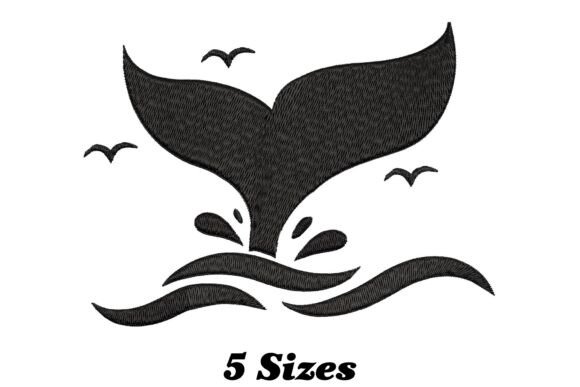
Whale Tail: A Cheerful Embroidery Design for Everyday Projects
First Impressions: Playful, Stylish, and Surprisingly Versatile
When I first saw Whale Tail, I was struck by how it balances whimsy and sophistication. It's not just a cartoonish flip of a fin—it carries a modern, almost minimalist charm that feels intentional, not rushed. The design’s curvature and flow suggest movement, like the tail is mid-splash, which adds a dynamic energy to any fabric it lands on. It’s clearly part of the Marine Mammals category, but it doesn’t scream “ocean theme” in a kitschy way. Instead, it’s subtle enough to work across seasons and styles.
Real-World Use: From Tote Bags to Baby Onesies
I recently used Whale Tail on a custom tote bag for a boutique client who wanted a “calming coastal vibe” without being too literal. The design stitched cleanly, held its shape well on medium-weight canvas, and didn’t pull or pucker during the process. I also tested it on a baby onesie, and the softness of the lines translated beautifully on lightweight cotton. It’s a design that feels personal without being overwhelming—perfect for Etsy sellers or small shop owners looking to add a touch of charm to their handmade product line.
Performance Across Different Fabrics and Garments
- T-shirts & Sweatshirts: Looks great centered on the chest or subtly placed on a sleeve cuff. The stitch density seems balanced, so it doesn’t add unnecessary stiffness.
- Tote Bags & Aprons: Works well as a focal point or paired with text for a boutique-style look. The layout is symmetrical enough to center easily, but unique enough to stand out.
- Baby Clothes: Its gentle curves and smooth edges make it safe and soft to the touch—no sharp satin stitch corners to worry about.
- Pillow Covers & Tea Towels: Adds a subtle decorative touch without competing with the fabric’s texture. I used it on a linen tea towel and was surprised how elegant it looked in a muted thread color.
Where to Use Whale Tail with Caution
Like any machine embroidery design, Whale Tail has its limits. I wouldn’t recommend it for very small hoop sizes—details like the tail’s edge and inner curves may get lost or distorted. On stretchy fabrics like jersey or spandex, I noticed slight distortion around the outer lines unless I used a firm stabilizer underneath.
Dark fabrics can also mute the design if thread colors aren’t chosen carefully. I tested it on black fabric with white thread and found it worked well, but using a mid-tone thread made it disappear a bit. For curved surfaces like caps or hats, placement matters—this design works best on flatter areas, not around tight curves.
How Whale Tail Enhances Product Appeal and Customer Trust
One of the biggest challenges in running a craft business or selling on Etsy is consistency. Whale Tail offers that consistency. It’s clean, well-digitized, and holds up across different thread colors and fabric types. When I used it on a personalized gift—a custom embroidered sweatshirt for a client’s toddler—the parent commented on how “professionally done” it looked, which is always a win for customer trust.
From a branding standpoint, this design can be part of a cohesive theme—especially for shops leaning into coastal, nautical, or nature-inspired motifs. It’s not so specific that it limits your audience, but it still carries enough personality to be memorable.
Design Notes Every Embroidery Professional Should Consider
Before diving into your next project with Whale Tail, here are a few practical tips I picked up from my own use:
- Test on scrap fabric first. I always run a test stitch-out, especially when trying new thread colors or stabilizers.
- Check thread color contrast. This design works best when the thread stands out clearly against the fabric—especially important for light-on-light or dark-on-dark combinations.
- Review stitch density. Too dense and the fabric may pucker; too loose and it can look unfinished. Whale Tail seems well-balanced, but it’s worth verifying on your machine.
- Confirm hoop size compatibility. Make sure the embroidery file fits within your hoop dimensions, especially if you're working on a smaller machine or a tight space like a baby onesie.
- Inspect small details. The inner curves of the tail can sometimes get lost depending on thread thickness and fabric texture.
- Test in black and white mockups. Helps visualize how it will look on different fabric colors before stitching.
- Use proper stabilizer. Especially important on stretchy or thin fabrics to prevent distortion or puckering.
- Check licensing terms. If you’re selling finished products or digital embroidery files, confirm that Whale Tail is cleared for commercial use.
Final Thoughts: A Solid Choice for Everyday Embroidery Projects
Whale Tail isn’t a flashy statement piece, and that’s exactly why I like it. It’s a versatile, well-constructed embroidery file that works across a range of projects—from personalized gifts to small shop merchandise. It’s easy to stitch, holds up well on different fabrics, and most importantly, it looks intentional and professional in the finished product.
If you’re an embroidery designer, Etsy seller, or small business owner looking for a go-to marine-themed design that’s not over the top, Whale Tail is definitely worth a try. Just remember to test it first, choose your thread and fabric carefully, and consider how it fits into your broader brand or product line. Used thoughtfully, it can be a quiet but effective design asset that elevates your work without demanding too much from your machine—or your time.